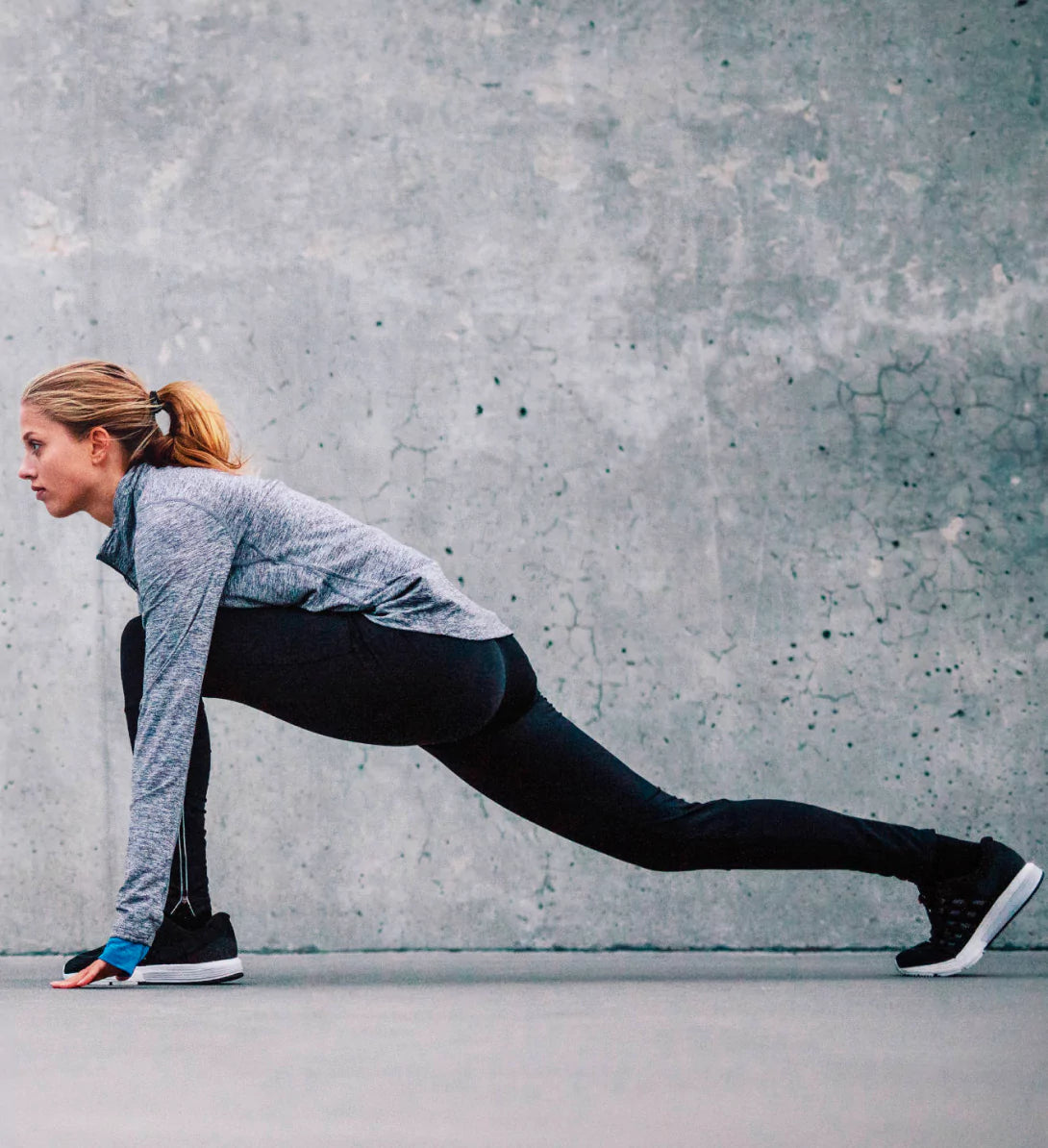
If you love getting a good workout in — complete with clothes drenched in sweat and that familiar burning feeling in your muscles — it’s likely you’ve also experienced the not-so-pleasant aftereffects of said workout. A few good elbows in the back (or 15 minutes with a deep percussive massager) can work some serious magic on post-workout soreness, not to mention leave you with a sense of calm. As it turns out, those benefits aren’t just anecdotal. Nope: The power of massage therapy is backed by decades of scientific research.
Massage & Recovery
The important relationship between massage, fitness, and recovery. How massage affects muscle recovery and performance.
The science behind post-workout massage relief

What to know about massage
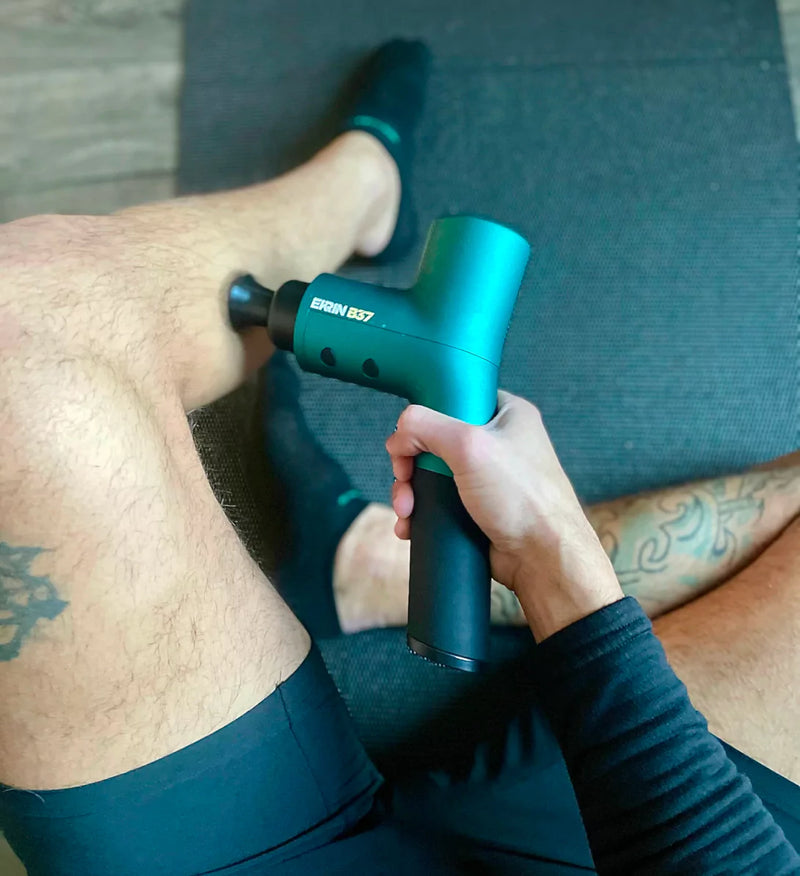
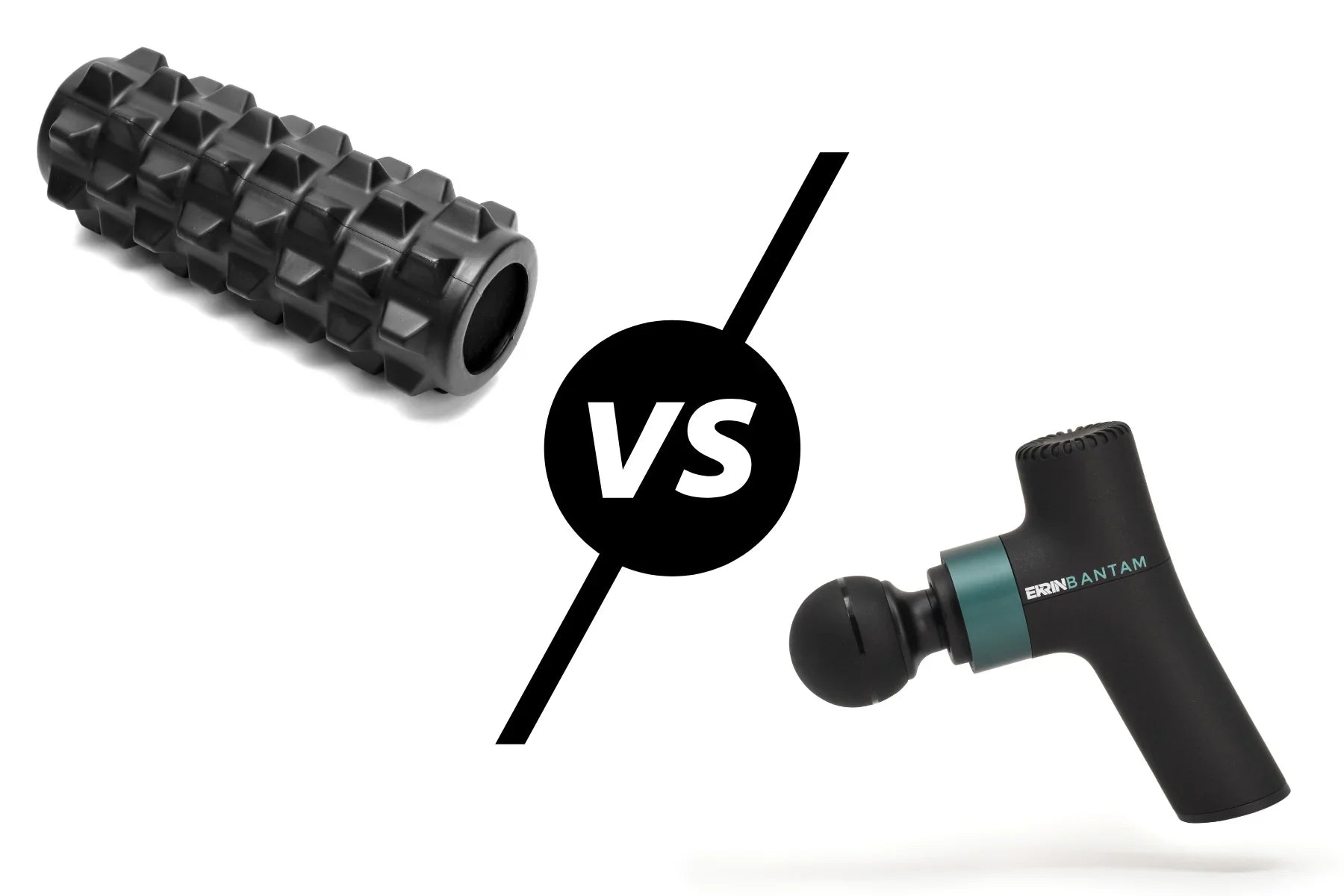
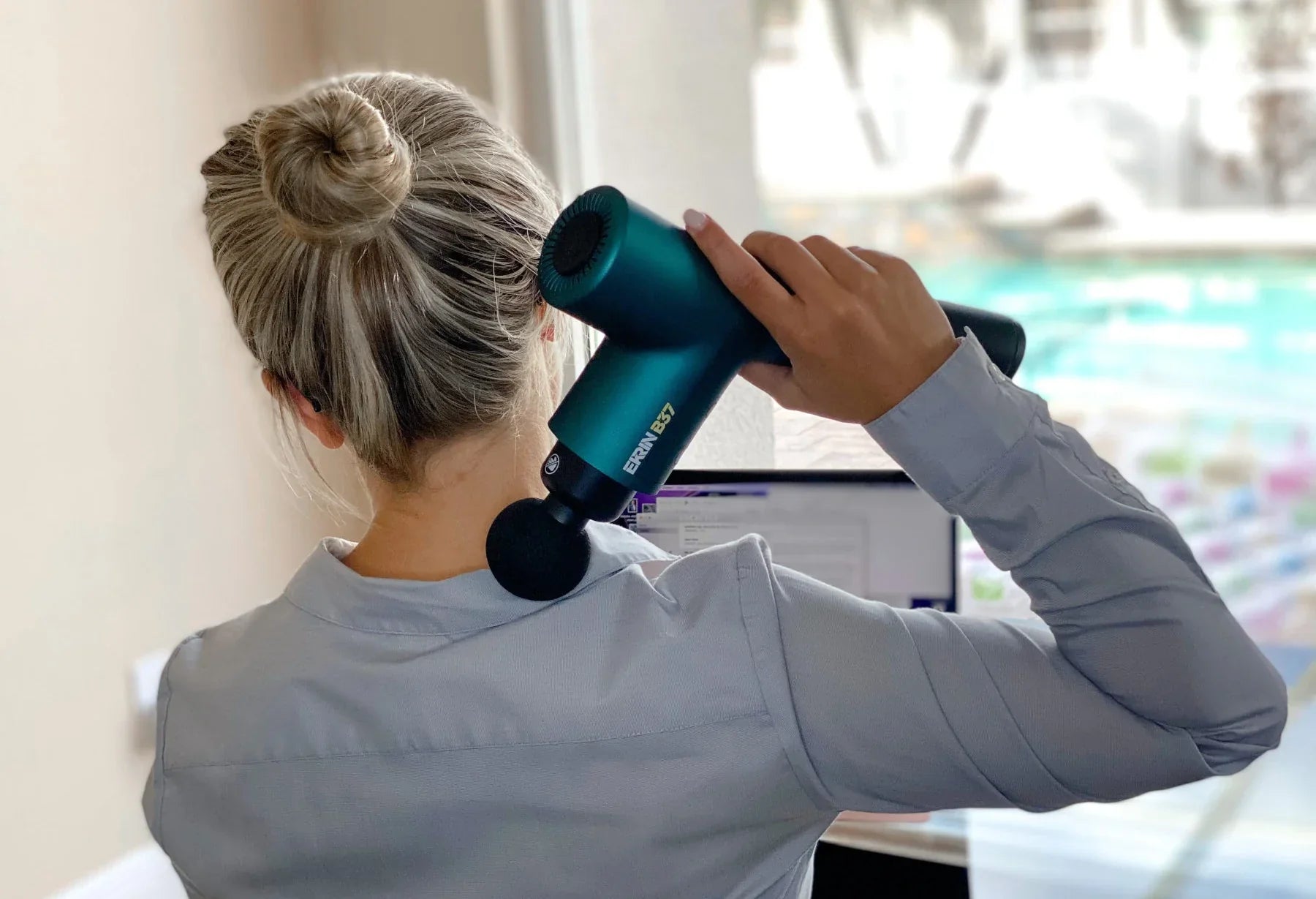
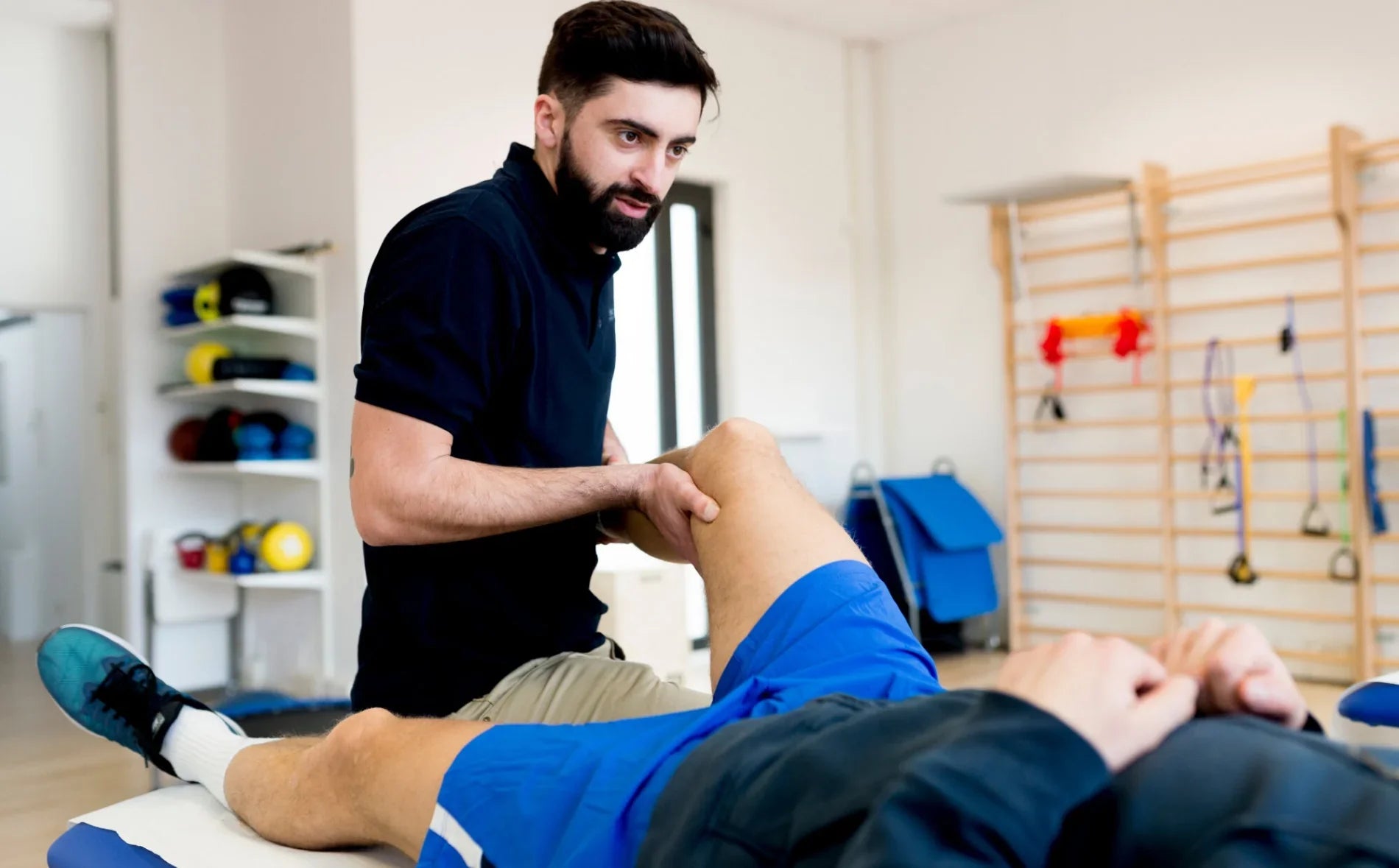
Most people traditionally consider massage to encompass hands-on therapy from a masseuse, complete with dim lighting and meditation music. However, the advent of percussive therapy devices has made massage much more accessible (and less expensive, too). Self-massage brings many of the same benefits as traditional massage, and you can do it without scheduling an appointment and driving to a spa.

How massage affects workout recovery
What can relieve stress, reduce anxiety, and tame your pain all in an hour or less? Massage therapy.
Whether you prefer traditional massages or like to use a self-massage device, take a moment to learn how massage therapy can help you recover from workouts and why you should add it to your wellness routine.

Massage reduces soreness and knots
Muscle knots, sometimes called trigger points, are tightly contracted patches of muscle that become tender to the touch. The most common areas to develop muscle knots are the neck, shoulders, and upper back. Sometimes, muscle knots work themselves out over time, but massage therapy can speed up that process and restore pain-free range of motion.
Any type of traditional massage or self-massage can be helpful in treating trigger points and tenderness.
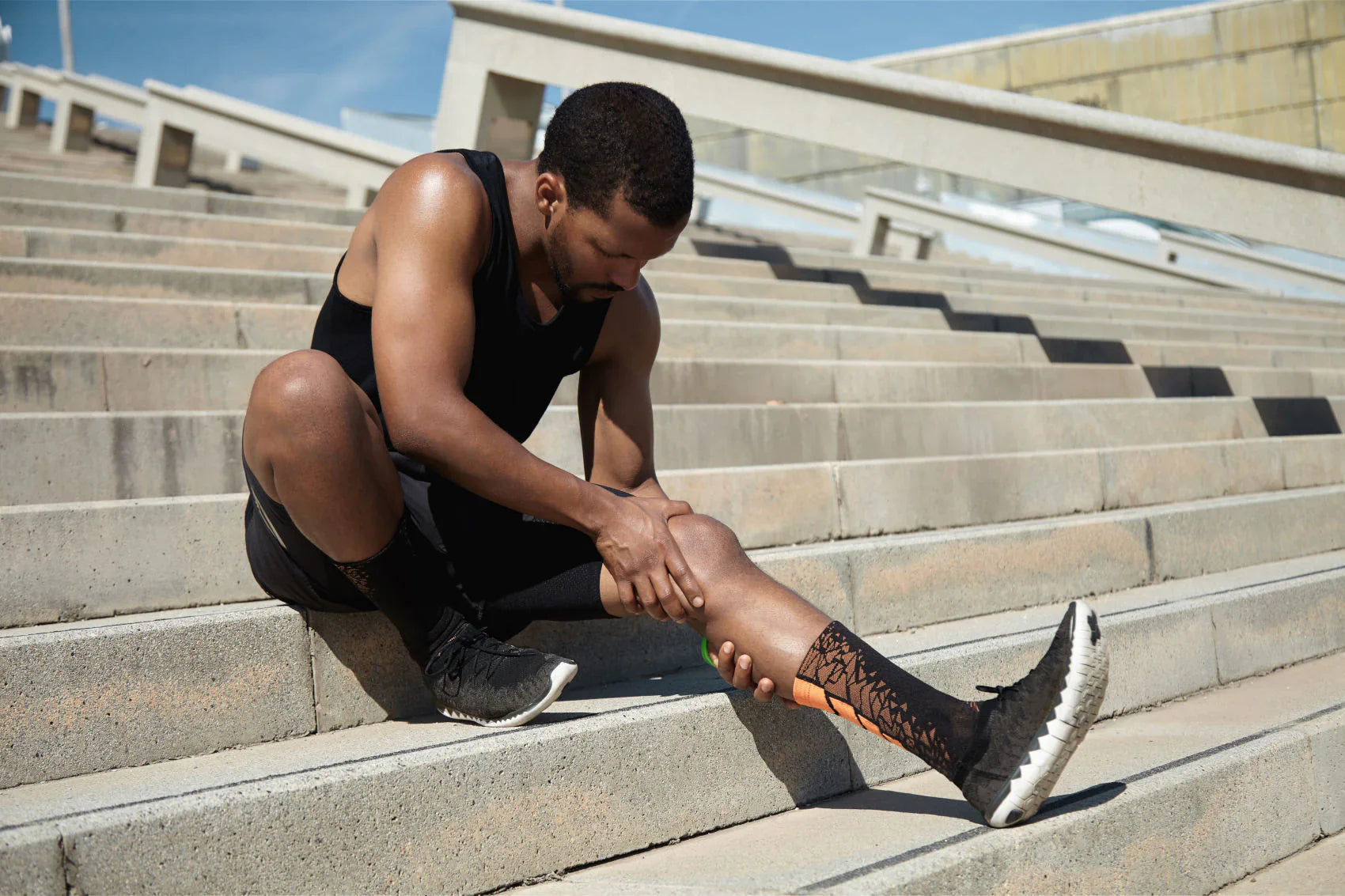
While there’s no true cure for delayed-onset muscle soreness (DOMS), massage therapy has been linked to reduced severity of soreness and speedier recovery after exercise. What’s more, compared with various other forms of workout recovery, massage was found to be the best way to recover from workouts.
Massage increases range of motion
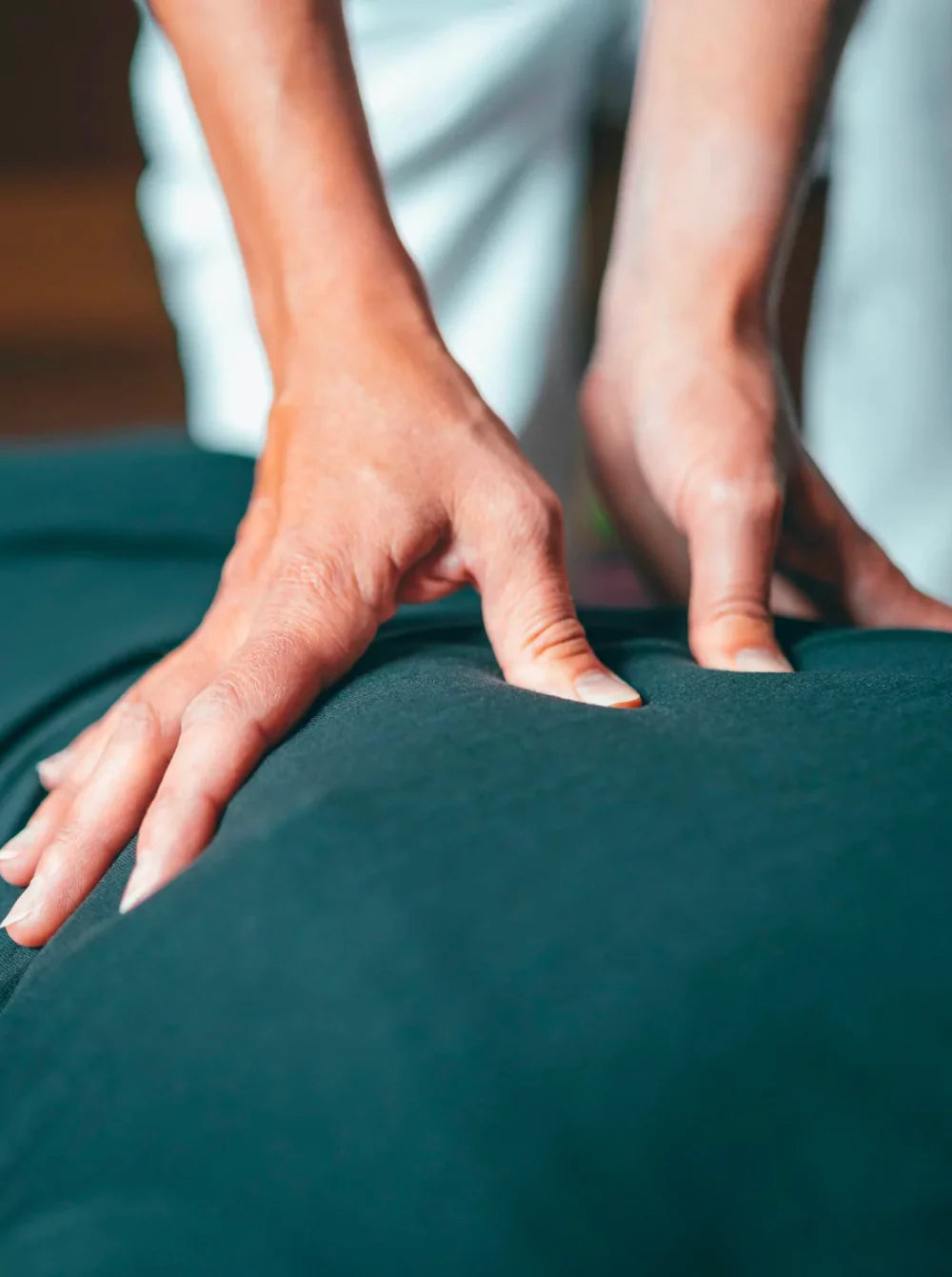
By manipulating the soft tissue throughout your body, massage therapy can improve your joint range of motion and flexibility. Those who experience post-workout soreness know how hard it is to drop into a squat after leg day.
Sports massage in particular is known for its effects on movement functionality, but any manipulation of muscle and connective tissue can improve these parameters, including use of a personal massage tool. Researchers believe this occurs because massage therapy encourages blood flow to the joints, promotes circulation of the lymph, and relaxes the muscles.

Massage alleviates stress and anxiety
In today’s go-go-go world, we’re all expected to do more all the time: More work, more family events, more responsibilities. You owe it to yourself to enjoy a stress-relief treatment every once in a while, or every day if you have a massage device handy.
Massage has been shown to reduce job-related stress and lessen symptoms in people with generalized anxiety disorder. Reducing stress from other areas of life allows you to focus on your pursuit of health and fitness. If nothing else, soothing soft tissue mobilization can reboot your energy and vitality so you can get back to winning at life — and in the gym.
Things to consider
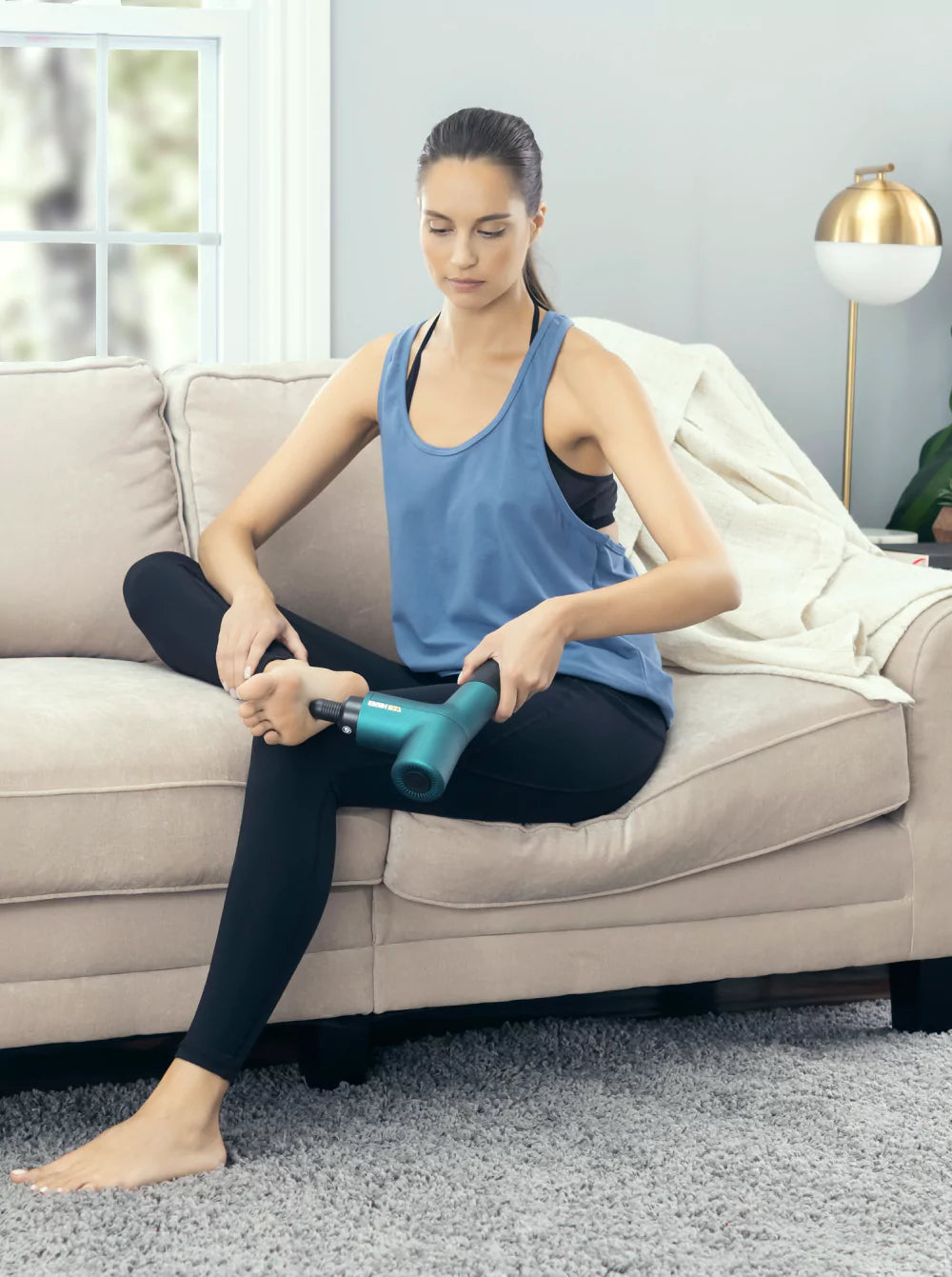
Massage isn’t right for everyone, 100% of the time. Some people should check with their doctor, physical therapist, or other healthcare provider before getting a massage or using a massage gun. This includes people who are pregnant or postpartum, currently healing from major injuries or surgeries, have autoimmune conditions, or otherwise might be especially sensitive to the effects of massage.
Frequently asked questions
-
How Often Should You Get a Massage?
This depends on a number of factors, including time restraints and your budget. Many athletes and fitness enthusiasts like to get a weekly massage, but that’s not always necessary to reap the benefits. If you do want to establish a regular cadence of massages, the most time- and cost-effective option is to get a high-powered massage gun you can keep on-hand.
-
Can You Get a Massage When You’re Sore?
You can 100% enjoy massage therapy when you’re sore. If you’re going to see a professional, just be sure to communicate your soreness to the masseuse, and point out areas that are particularly tender. If you plan to use a massage gun when sore, start at the lowest setting and work your way up slowly. Don’t ever use your massage gun to the point of pain.
References
-
Sleep Hygiene for Optimizing Recovery in Athletes: Review and Recommendations
-
Physiology of growth hormone secretion during sleep
-
The association of sleep and pain: an update and a path forward
-
Sleep, Recovery, and Athletic Performance
-
Sleep Hygiene for Optimizing Recovery in Athletes: Review and Recommendations
-
Sleep function: Toward elucidating an enigma